
You open the door, step into the lobby, and before you’ve even spotted the reception desk, something has already happened. Your steps slow down, your gaze wanders around the room, and before you’ve given it any conscious thought, you’ve formed an opinion of the place. Who formed it? Your nose, and it didn’t ask your permission.
It sounds like magic, but it’s biology. Smell is one of our oldest senses. It works quickly and quietly and mostly just runs along in the background. That’s exactly what makes it so exciting for hotels, restaurants and spas. Architecture, light and music want to be seen and heard. A scent, on the other hand, simply works, with no invitation, no explanation and no instruction leaflet.
In this story, we look at what happens in your head when you smell something, why scents awaken memories like almost nothing else, and what hosts such as the Stanglwirt, the Hotel Gut Brandlhof and the Suites Stubai make of all this.
And it’s not just about hotels, because in restaurants, bars, cafés and even medical practices, the nose also has a say in whether you feel comfortable. So we’ll also look at how restaurants and bars work with scent, and show what this knowledge about the nose and the brain means for all kinds of different places.
The shortcut in your head: why the nose takes no detours
Almost everything you see, hear or touch makes a stopover in the brain first. This stopover is called the thalamus. Think of it as a very conscientious reception desk: every piece of information is taken in, briefly checked and then forwarded to the right department. Orderly and reliable, but with a short wait.
Smell works differently. Scent signals travel from the nose to the olfactory bulb and from there, without this stopover, straight to two areas that matter quite a bit to our inner life: the amygdala, which processes our emotions, and the hippocampus, where memories are formed.

Photo: Matteo Minoglio / Unsplash
Put another way: a scent doesn’t politely knock on reason’s door first, it strolls straight into the living room of your emotions. This probably has something to do with our history. For our ancestors, the nose was an early warning system that had to work out in a flash whether the food was still good, whether something was burning somewhere and whether a place was safe. There was no time for lengthy deliberation.
These days, we rarely need to sniff out smoke in the forest. But the system has stayed with us, and it reacts just as quickly to the lovely things: freshly washed bed linen, warm wood, lemon, the scent of a place where you simply feel at ease.
The Proust moment: when a scent sends you back to your childhood
Do you know the feeling? You smell freshly mown grass and suddenly you’re back at the outdoor pool of your childhood. Or someone is wearing the perfume of your first great love, and your heart skips a beat before you even know why. Researchers like to call this the Proust effect. The French writer Marcel Proust described how a small cake dipped in lime-blossom tea carried him back to his childhood with full force. One bite, one scent, and suddenly it’s all there again.

Photo: Lavi Perchik / Unsplash
A Swedish study by Johan Willander and Maria Larsson went a step further in 2006. The two researchers gave older people either a word, a picture or a scent as a prompt and asked them to talk about a memory it brought to mind. The result: the memories awakened by a scent were older on average. Most of them dated from the first ten years of life.
There’s one small caveat: scent memories aren’t necessarily more detailed than others. So you won’t suddenly remember which apron Grandma was wearing. But they often feel more emotional, more personal and closer. It’s exactly this feeling that lingers, and exactly this that makes scents so interesting for hosts.
We smell more than we realise
Most of us vastly underestimate what our nose can really do. It contains around 400 different types of olfactory receptor, and because we smell with every breath we take, it works all day long, with no way of simply closing it the way we close our eyes.
But the really exciting part isn’t how much we smell, it’s how little of it we consciously notice. We perceive most scents in passing. Nobody walks into a hotel thinking: ah, a woody note with a hint of citrus. We think: this feels good. Or it doesn’t.
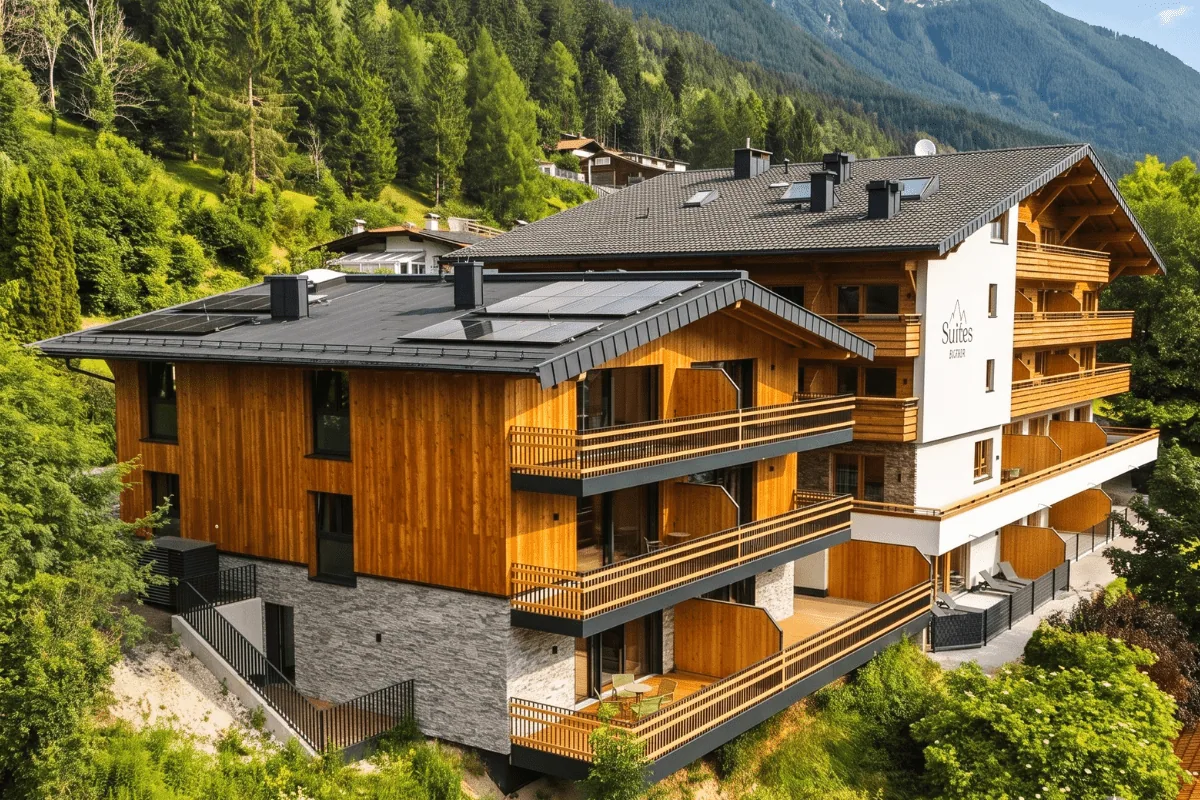
That’s exactly what Silvia Hauser describes. She is the host of the Suites Stubai, which opened in Fulpmes in July 2026, and for her it was clear from the start that the hotel’s scent should be done professionally too. Her goal: “that our guests relax unconsciously the moment they step inside and feel they have arrived.”
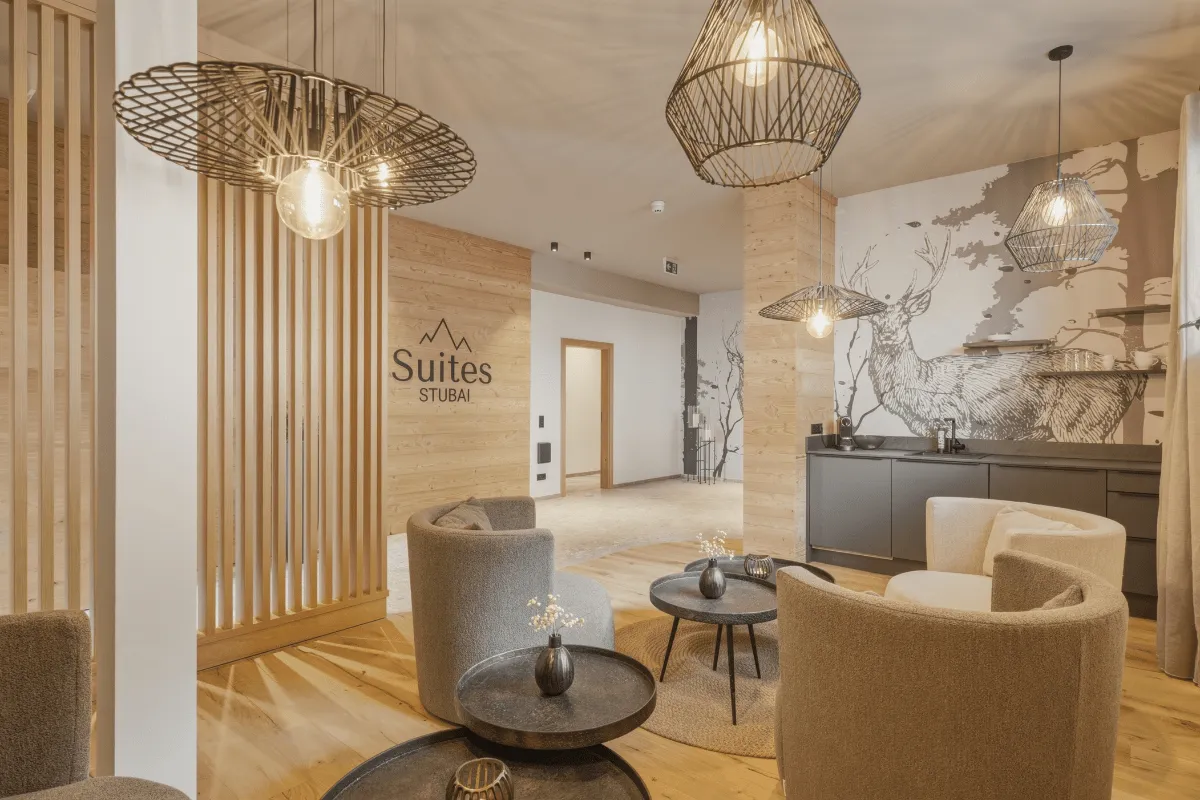
Photo: Suites Stubai
Unconsciously is the magic word here, because nobody should trip over the scent or have to keep noticing it. It should simply be there, as natural as good lighting, a pleasant temperature or a friendly smile at reception.
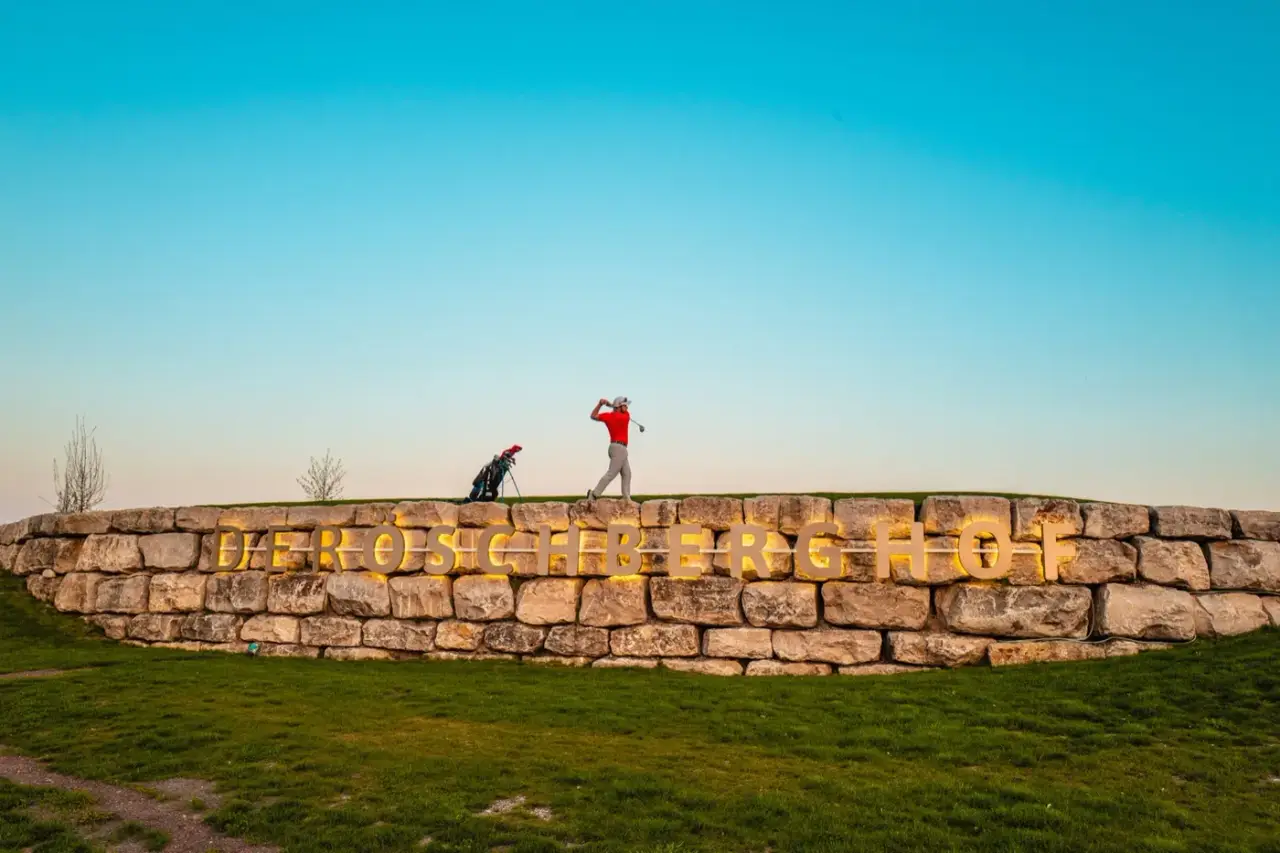
Photo: Der Öschberghof
First impressions have a scent
For hosts, this is pretty good news. First impressions form within seconds, and the nose is right at the front of the queue. Long before anyone has a room key in their hand, a picture has already taken shape in their head. Does the place seem bright or dull, welcoming or cool, well kept or a little musty?
At the Hotel Gut Brandlhof in the Salzburg region, this moment is shaped very deliberately. The hotel, with over 200 rooms, its own 18-hole golf course and a conference centre, relies on a scent that combines freshness, elegance and naturalness. You’ll smell it above all where guests arrive and meet: in the lobby, at reception and in the event rooms.
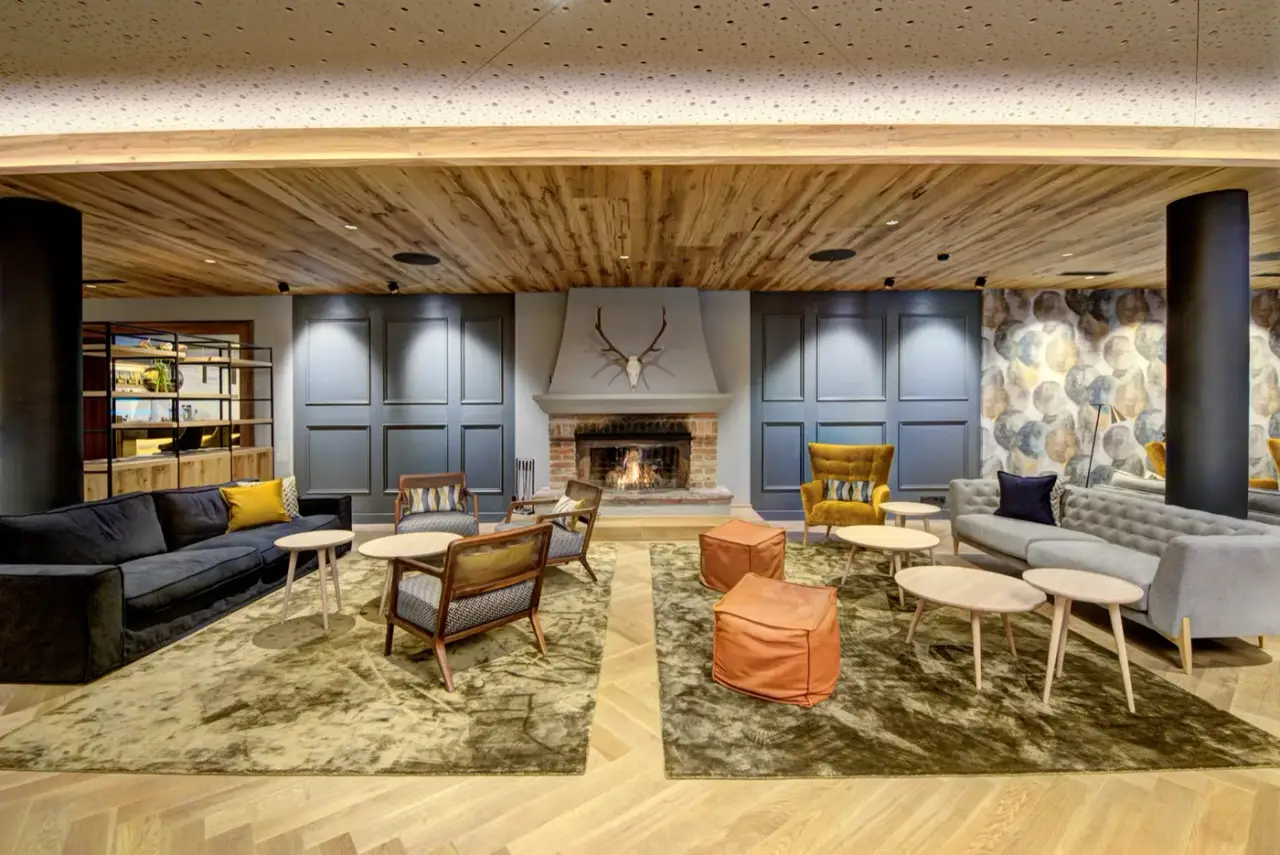
Photo: Hotel Gut Brandlhof / Lebesmühlbacher
Hotel director Thomas Bauer says that many guests notice the scent as soon as they walk in and immediately connect it with their first impression of the hotel. And then comes the sentence every host must dream of. Guests say: “It smells of Brandlhof.”
It’s hard to think of a nicer description of recognition. A scent that bears a name is like a logo you don’t need to see, because you carry it home in your head.
The same goes for a café, a bar or a bakery, because there too, guests have formed a picture within seconds, and a well-matched scent can help to make that picture a friendly one.
Holidays to take away: when the hotel scent follows you home
Now it gets really exciting. Because if scents are so closely linked to memories, then their effect doesn’t end at check-out. Quite the opposite: that’s sometimes when it really begins.
At the Brandlhof, the hotel scent is tucked into the little farewell bag, “to combat acute holiday homesickness”, as Thomas Bauer puts it. At check-out at the LifeSteil, every guest is given a scent to take home, and at Der Öschberghof, guests ask of their own accord how they can get the scent for their home. Three hotels, three approaches, one idea: the holiday feeling should travel home with you.
We’ve already seen above why this works so well. A scent linked to a lovely experience can bring that feeling back later on. You’re standing in your kitchen on a grey Tuesday, you smell the scent from your holiday, and for a moment you’re back there. By the pool, in your bathrobe, looking out at the mountains.
For hosts, this is a quiet but very lovely form of guest loyalty. No discount code and no advertising - just a memory that pops up whenever everyday life gets a little too grey.
The scent has to fit the hotel, not the other way round
Which leaves the big question: which scent is the right one? The honest answer: the one that suits you. A scent can only anchor memories if it feels right. If a wonderfully cosy alpine hotel smells of cool big-city chic, the brain immediately notices that something doesn’t belong here - even if it can’t put it into words.
A wonderful example is the Stanglwirt in Going, Tyrol. The organic and wellness resort looks back on over 400 years of history and has a smell all of its own by nature: sheep’s wool carpets, Swiss stone pine beds, larch floors, fresh hay and, on the way to the inn, the occasional whiff of cowshed. It’s exactly this mix of organic farm and luxury hotel that guests are meant to experience through the nose as well.

Photo: Stanglwirt / Alexander Heil
Elisabeth Hauser-Benz, part of the family’s next generation at the helm, explains that this is why it was never about covering up this natural character. On the contrary, the aim was to refine it. Together with AROMEA, a dedicated Corporate Scent was created, which is used in the corridors and in parts of the wellness area.
On top of that come seasonal accents. In spring, the scent is reminiscent of fresh meadows and forests, and in winter a little cinnamon and orange join in. So guests sense each season through the nose as well. Her tip for anyone thinking about a signature scent of their own: don’t artificially change the basic character of the hotel, but underline it with a good scent consultation.
If you’re thinking about a signature scent yourself, a few simple questions can help. Which three words best describe your property, and which materials define it: wood, stone, linen or glass? What should your guests feel when they arrive: security, freshness, a touch of luxury or pure holiday spirit? And what should stay with them when they leave? The answers often point in a surprisingly clear direction. A good scent consultation takes care of the rest.
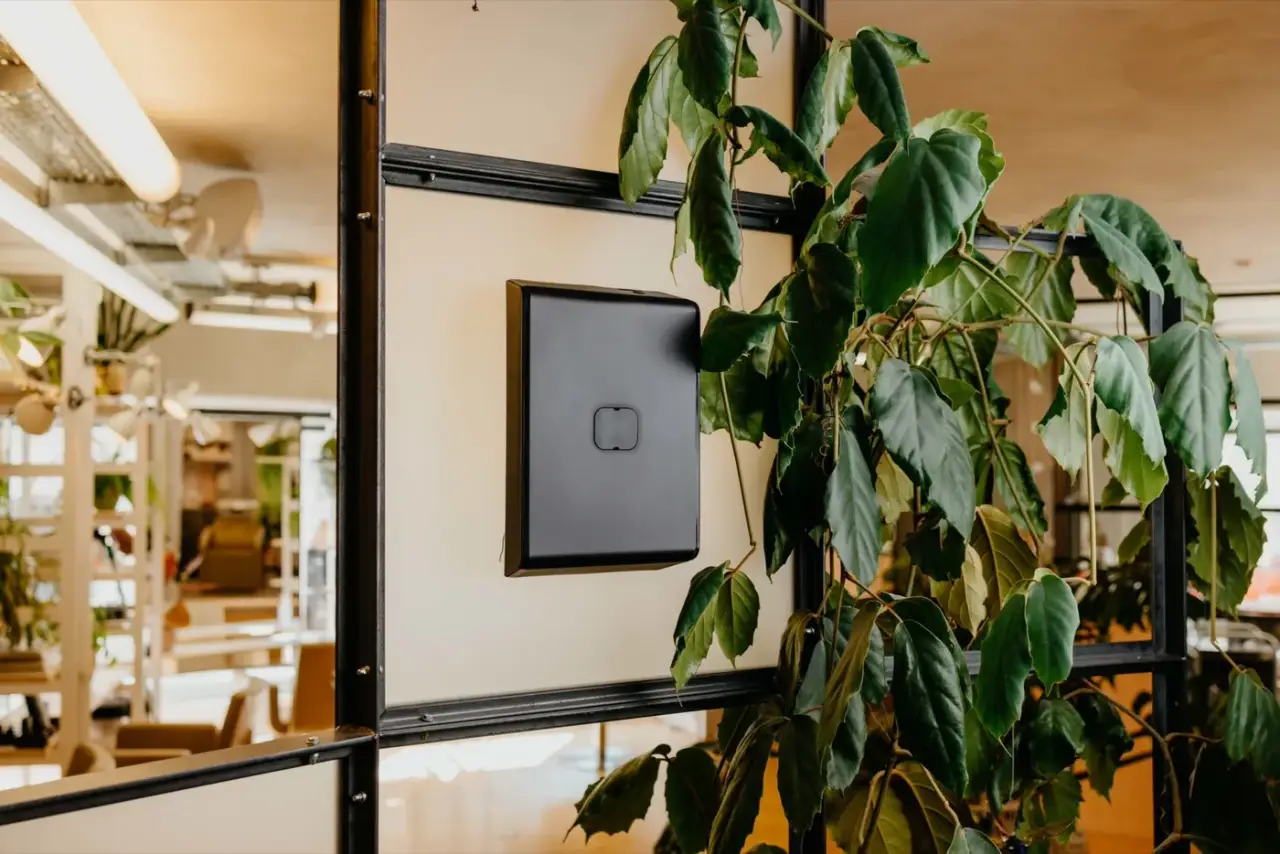
That’s the heart of it: a good signature scent doesn’t reinvent your property. It simply tells the story of what’s already there, a little more clearly. Or rather: a little more quietly, but straight to the heart.
Less is more: why a good scent barely stands out
Now for a small paradox: the best signature scent is one you barely notice. There’s a simple reason for this. Our nose gets used to constant smells very quickly. After a while it tunes them out, so that it stays alert to anything new. That’s why you hardly smell your own home, but you smell your friends’ place the moment you walk through the door.
For hotels, this means two things. First, more scent doesn’t bring more effect. A scent that’s too intense quickly feels intrusive, and anyone who feels crowded by a smell is certainly not going to relax. Second, a scent works above all in moments of transition, such as on arrival, on entering the spa or on the way from the room to the lobby, exactly where the nose perceives something new.
A small practical tip while we’re here: after a few days, your team will barely smell the signature scent any more. That’s completely normal and no sign that the diffuser is set too low. If you turn it up on a gut feeling, you’ll soon end up with a cloud of scent that knocks guests out rather than welcoming them. Ask new guests instead, or colleagues who have just come back from holiday. Their noses are still fresh.
That’s why the aroma towers at the ERIKA distribute the signature scent “discreetly but in a targeted way” at particular points around the hotel. Guests at the Brandlhof describe the scent as unobtrusive but very well matched. That’s exactly the point - the scent should accompany the experience, not take it over.
Where scent does the most in a hotel
Not every area needs the same scent, and not every area needs one at all. But a few places have proved especially effective in practice:
- Lobby and entrance: This is where the first impression forms. A scent that is at home here quickly becomes the distinguishing feature of the whole hotel.
- Corridors and stairwells: These connect the different areas. A continuous scent makes the hotel feel all of a piece.
- Spa and wellness: This is where the mind should switch off. You can read further down why scent can do so much in the spa in particular.
- Conference and event rooms: A pleasant atmosphere does meetings good too. This is exactly where the Brandlhof deliberately uses scent.
- Washrooms and ski storage: Here the main aim is to neutralise unpleasant smells. At the LifeSteil, for example, an AROMEA Flex takes care of this.
Things are different in the restaurant, where a delicate touch is called for. Where food is cooked and eaten, the smell of the food should play the leading role, so a room fragrance takes a small supporting role at most, in the entrance area, for instance, or stays out altogether. Nobody wants their Wiener schnitzel to taste of lavender.
Scent in restaurants and bars: when nose and palate work together
Away from the dining rooms, the restaurant trade has many places where scent can deliberately join in. At the bar, in the café, in the ice cream parlour or in the bakery, the right scent can even underline what’s on offer, as long as it suits what ends up on the plate or in the glass.

Photo: Ruben Ramirez / Unsplash
A lovely example is the brothers Lukas and Matthäus Gatterer, the third generation to run a bakery, a patisserie and an ice cream parlour in the Pustertal. The ice cream parlour smells of “Cookie Dough”, a biscuit aroma with a fine vanilla note, and the bakery and patisserie shop of “Frisches Brot” (fresh bread), with delicate roasted aromas. So the scents pick up on exactly what’s in the display case, rather than distracting from it.
Matthäus Gatterer describes the effect like this: “The fine scent notes can already be perceived outside the entrance and create an inviting, pleasant atmosphere.” After a test in two branches, the feedback was so positive that the family would like to introduce the scent at its other three locations too.
What works for bakeries and bars can be applied to many other businesses, from cafés to wine bars to breakfast rooms. The crucial question is always whether the scent suits what’s on offer and enhances it, or whether it competes with the food and drink for attention. You’ll also find more ideas for scent in restaurants and bars on our blog.
Scent in the spa: where mind and body let go
One area deserves special attention: the spa. Nowhere else in a hotel is it so much about switching off your head and simply being, and because scents arrive exactly where feelings are processed, they are a particularly fine tool here.

Photo: Roberto Nickson / Unsplash
Many of the hotels in this story start right here, such as the ERIKA with its LUMINA SPA, the SEELEITEN with its wellness area of around 3,600 m², the LifeSteil, where an AROMEA Pro Tower in the spa area creates a holiday mood with the scent “Coconut Paradise”, and Der Öschberghof with over 5,500 m² of spa and gym.
We take a closer look at how wellness hotels use scent to make relaxation tangible in a separate story on scenting the spa.
The technology behind it: invisible but reliable
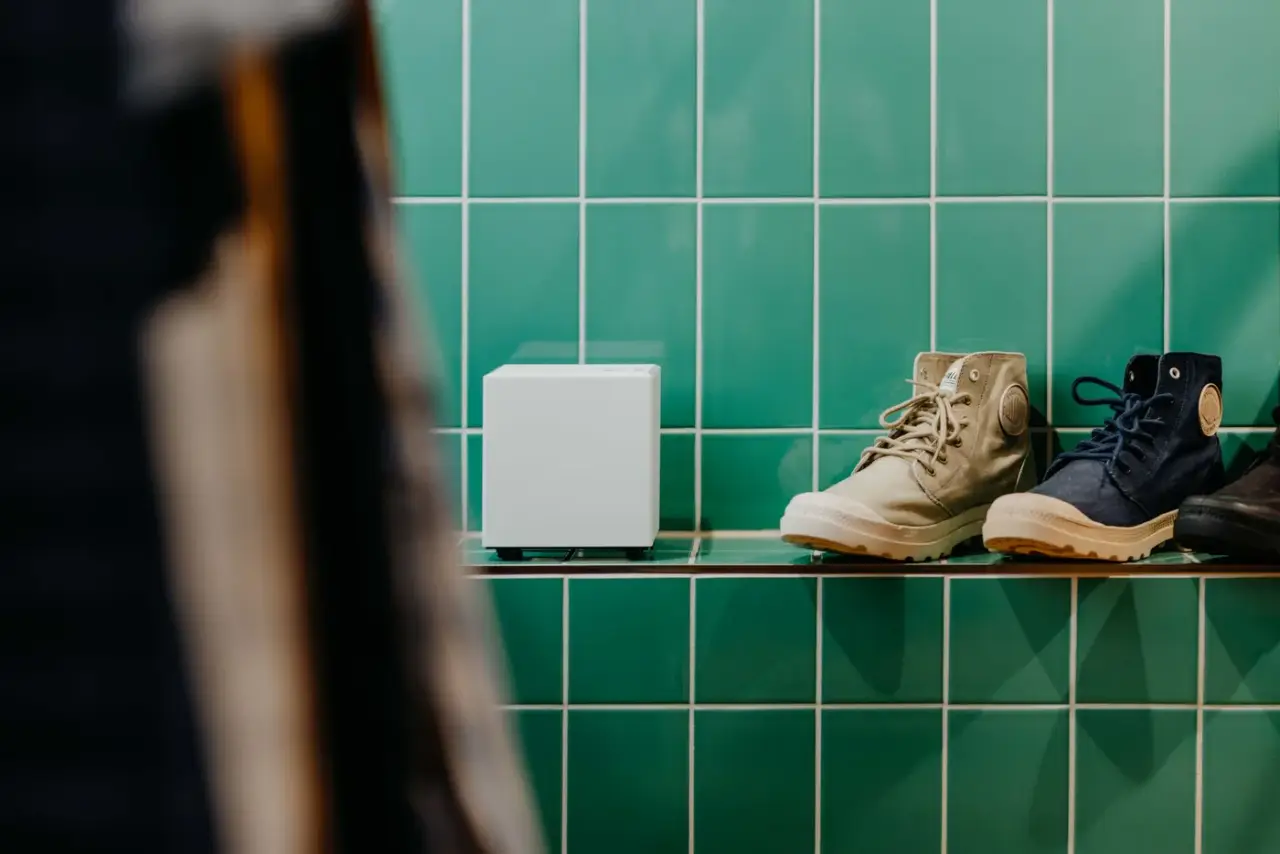
A scent concept is only as good as its execution. For a scent to arrive in a room evenly and discreetly, you need the right technology. At AROMEA Airdesign, the range extends from elegant aroma towers that are deliberately part of the furnishings, through diffusers such as the AROMEA Pro Tower, to the AROMEA Power, which distributes the scent invisibly through the ventilation system. Just like at the LifeSteil: nobody there sees a diffuser, but everyone smells the tropical summer.
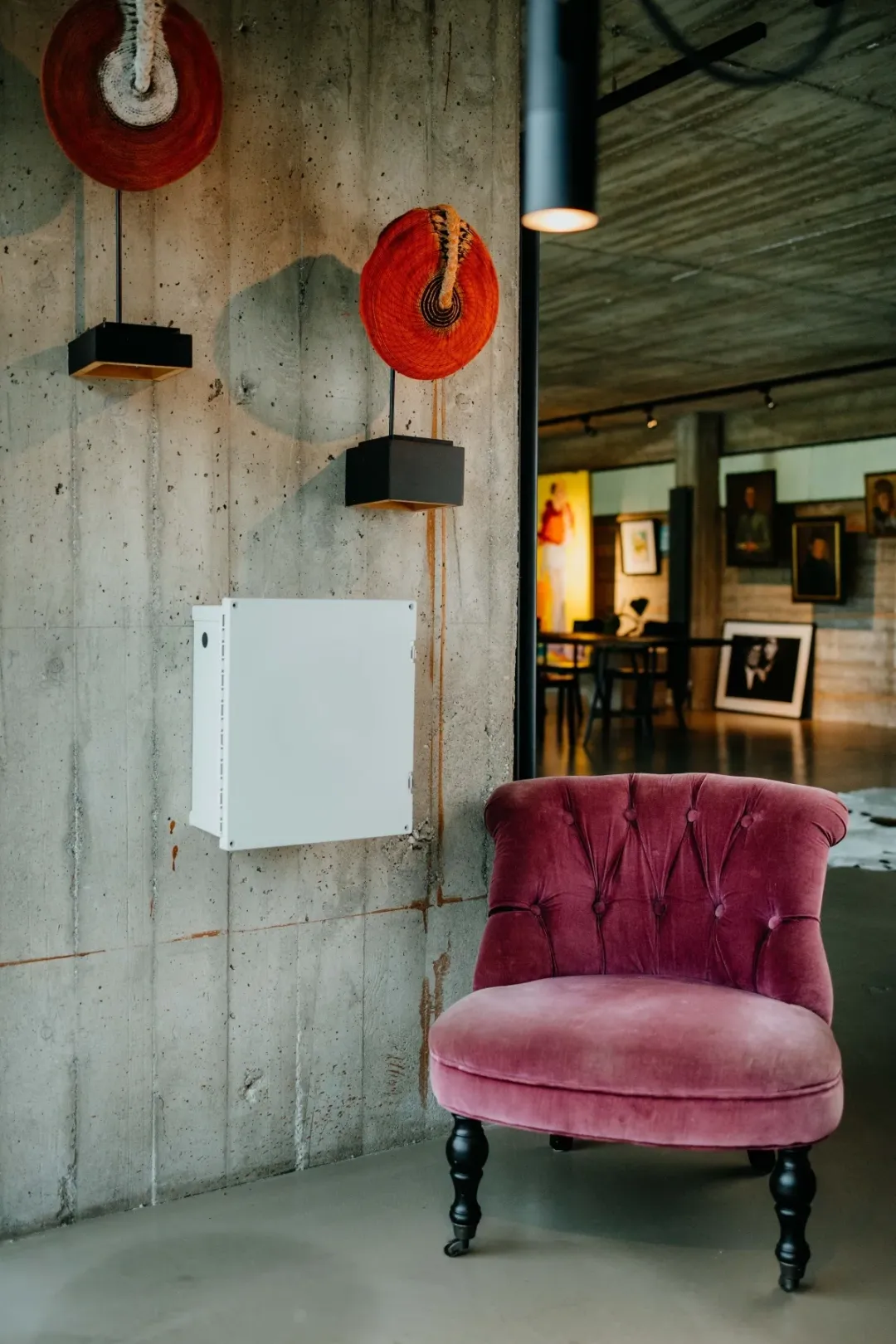
Photo: AROMEA Airdesign
Which solution fits depends on the size of the room, the ventilation and, of course, the goal. Should the scent welcome, calm or neutralise smells? That’s best worked out together, on site.
Not just in hospitality: where else scent works
What happens in our heads when we smell is the same everywhere, whether in a hotel, a bar, the shop around the corner or a medical practice, and that’s exactly why many other sectors also use scent to make spaces more pleasant and stay in people’s memories:
- Retail and showrooms: A well-matched scent can bring a brand to life in the shop and invite customers to linger.
- Medical practices and healthcare: Where lots of people sit nervously in the waiting room, a subtle scent creates a friendlier atmosphere.
- Fitness and sport: Here the aim is often to neutralise smells while creating a fresh, motivating mood.
- Events and trade fairs: A scent turns an appearance into an experience that visitors remember for longer.
Your property, your scent
In the end, it’s quite simple: your guests smell your property before they’ve really seen it. You can leave that first second to chance, or you can shape it deliberately, like the Stanglwirt, the Brandlhof, the Suites Stubai and many other hosts who show their guests who they are the moment they arrive.
Whether hotel, wellness resort, restaurant or bar: AROMEA Airdesign has been helping hosts find the right scent for many years. From a large fragrance collection or as a signature scent all your own.
Curious? Then get in touch for a no-obligation scent consultation. We look forward to working out with you how your property smells.
Sources: Courtiol and Wilson, “The olfactory thalamus”, Frontiers in Neural Circuits (2015); Cleveland Clinic, “Why (and How) Smells Trigger Memories”; Willander and Larsson, Psychonomic Bulletin & Review (2006).
Cover image: Hotel SEPP, Maria Alm
Frequently asked questions about scent and the brain
Why do scents awaken such strong memories?
Scent signals travel straight to the amygdala and the hippocampus, with no detour via the thalamus. These are the places where feelings are processed and memories are stored. That’s why memories awakened by a scent often feel especially emotional.
Do guests consciously notice a room fragrance at all?
Often not, and that’s a good thing. A subtle room fragrance is usually perceived unconsciously. Even so, it influences how people experience a place and whether they feel comfortable there.
Can a room fragrance be too strong?
Yes. A scent that is too intense quickly feels intrusive and can achieve the exact opposite of relaxation. Good scenting is dosed so that it feels right without pushing itself into the foreground.
What is a signature scent or Corporate Scent?
A scent developed especially for a hotel or a brand. It becomes a distinguishing feature, like a logo for the nose. Examples include the Corporate Scent of the Stanglwirt and the signature scent ErikaLIVE at the Hotel ERIKA.
Which areas of a hotel are worth scenting?
Above all the lobby and entrance, corridors and stairwells, the spa and event rooms, while in washrooms the aim is more about neutralising unpleasant smells. In the restaurant, the smell of the food takes priority.
Can a room fragrance also be distributed through the ventilation system?
Yes. With diffusers such as the AROMEA Power, the scent is distributed directly through the ventilation system, with no visible diffuser in the room. That’s how the LifeSteil apartment hotel in the Ötztal does it, for example.
Does room fragrance also work in a restaurant, bar or café?
Yes, as long as it suits what’s on offer. In bars, cafés, ice cream parlours and bakeries, the right scent can underline the experience, while in a restaurant the smell of the food should take priority and a room fragrance should play a role in the entrance area at most.