Anyone heading to the spa deliberately leaves everyday life at the door: phone in the room, bathrobe on and a few hours of doing nothing but unwinding. This is exactly when the nose pays closest attention, because there’s hardly anything else to distract it. A well-chosen scent can therefore be a noticeable companion to relaxation, while the wrong smell can disturb it just as quickly.
This guide is about how to scent your wellness area sensibly. You’ll learn which zones can take a scent and where the air is better left neutral, which scent families are a good fit and how to set intensity and times correctly. And at the end you’ll find the most common mistakes we see in practice, so you can avoid making them at all.
Why a spa needs its own scent plan
A wellness area works differently from a lobby. Guests don’t stay for a few minutes here but often for several hours, lying still, breathing consciously and with far more time to take in their surroundings. A scent that seems pleasant at check-in can already be too much after an hour in the relaxation room.
Then there’s the heat, the high humidity and the areas that are already full of smells, such as sauna infusions or massage oils. Because scents are processed in the brain right where feelings and memories are formed, the smell of a spa strongly shapes how relaxed guests feel and what they remember later. So a good scent plan looks at each zone individually, rather than just putting a diffuser in the entrance.
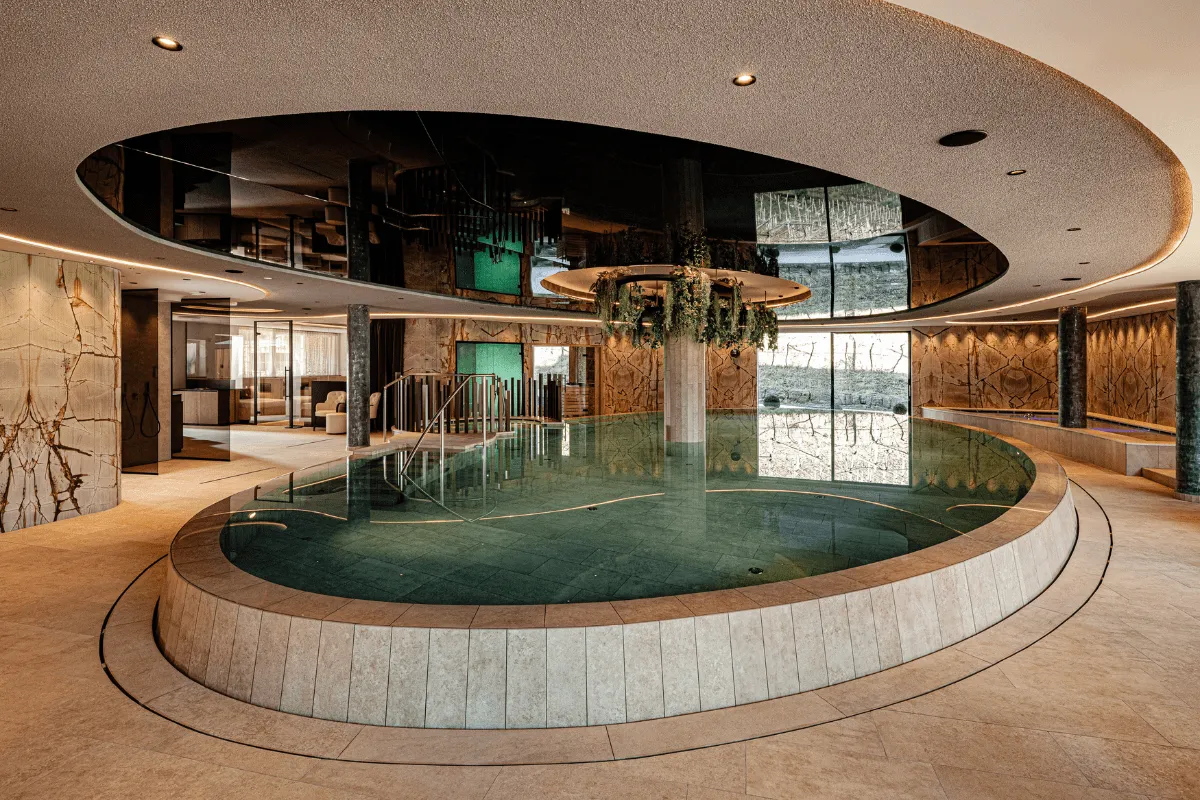
Photo: Klaus Peterlin (SEELEITEN Lake Spa Hotel)
Zone by zone: how to scent your wellness area
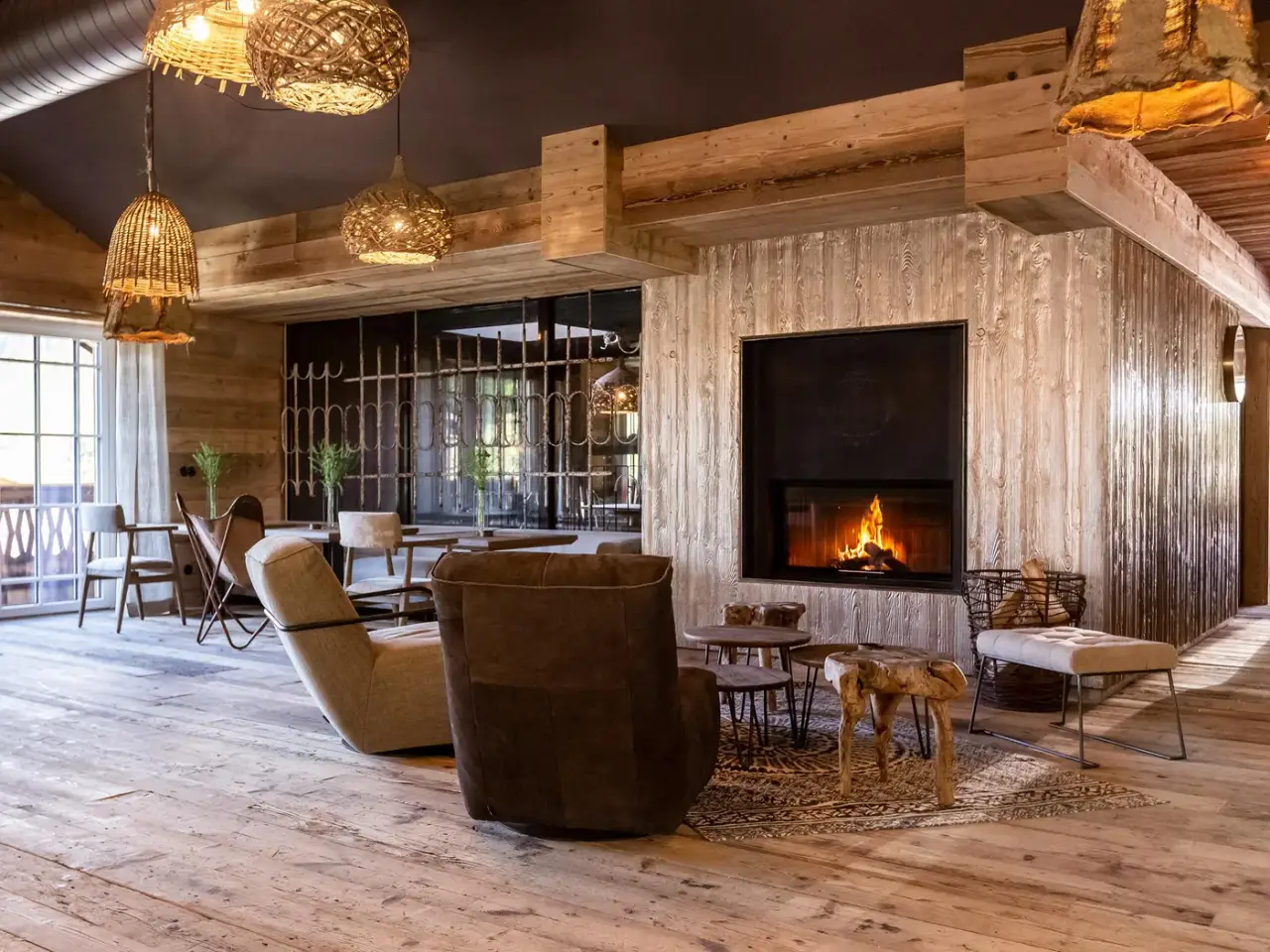
Reception and entrance: This is where guests switch from everyday hotel life to time out, which makes it the most important place for your spa scent. It can afford to be a little more present here than in the rest of the spa, because this is the first time the nose notices it on the way in.
Changing rooms and showers: These rooms are mostly about freshness. Damp towels, shoes and lots of people in a small space leave traces that a subtle scent can balance out. What matters is that good ventilation remains the foundation, because a room fragrance is no substitute for cleaning.
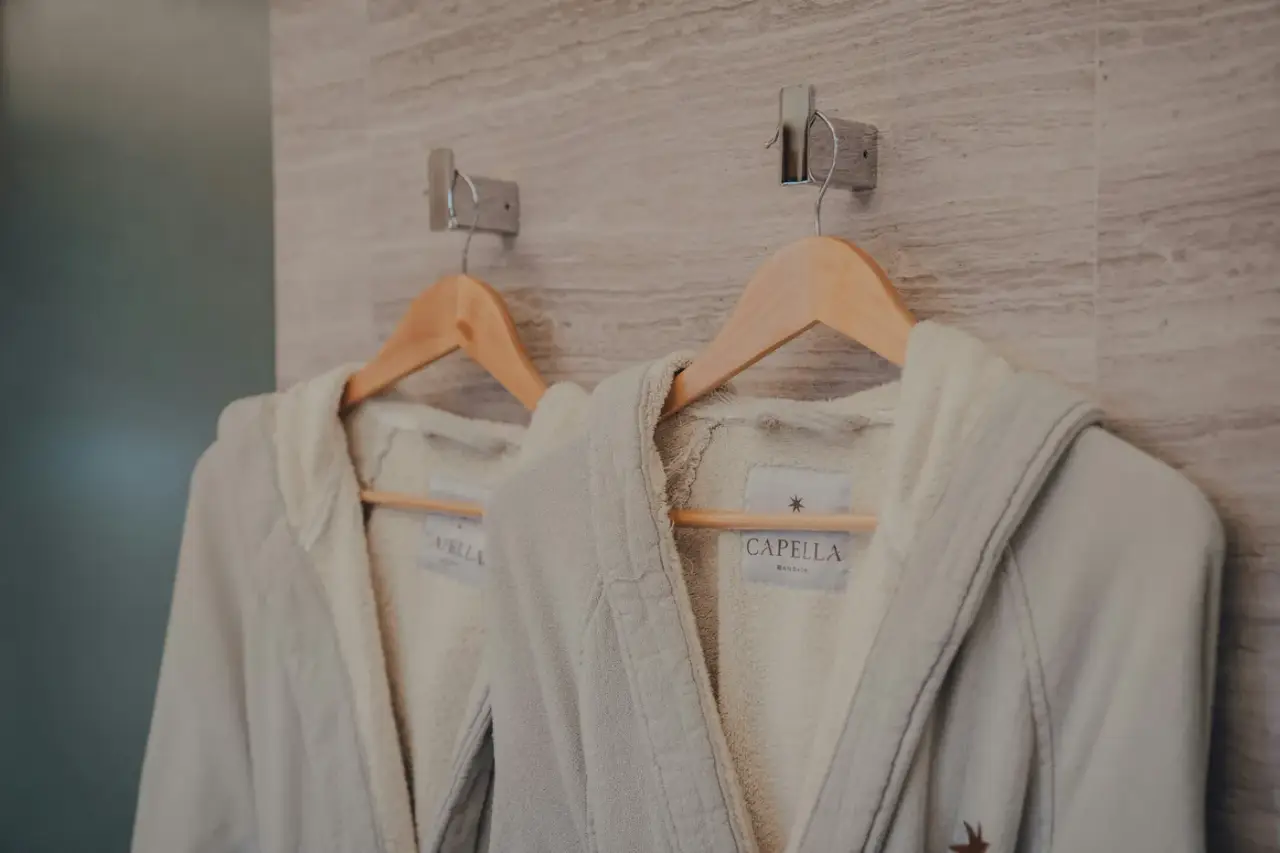
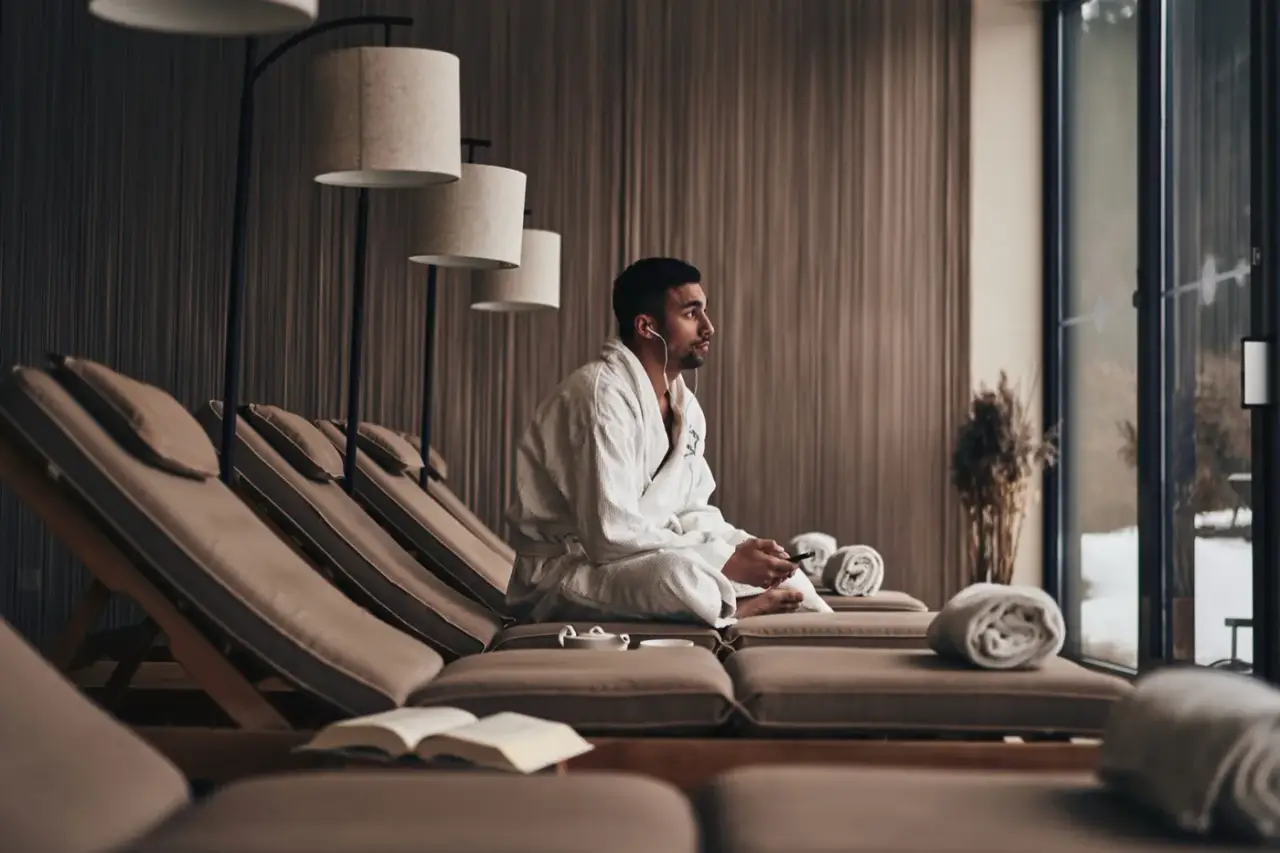
Relaxation rooms: Guests lie here the longest, often with their eyes closed. The scent should therefore be set very gently and stay in the background, so that it underlines the calm instead of disturbing it.
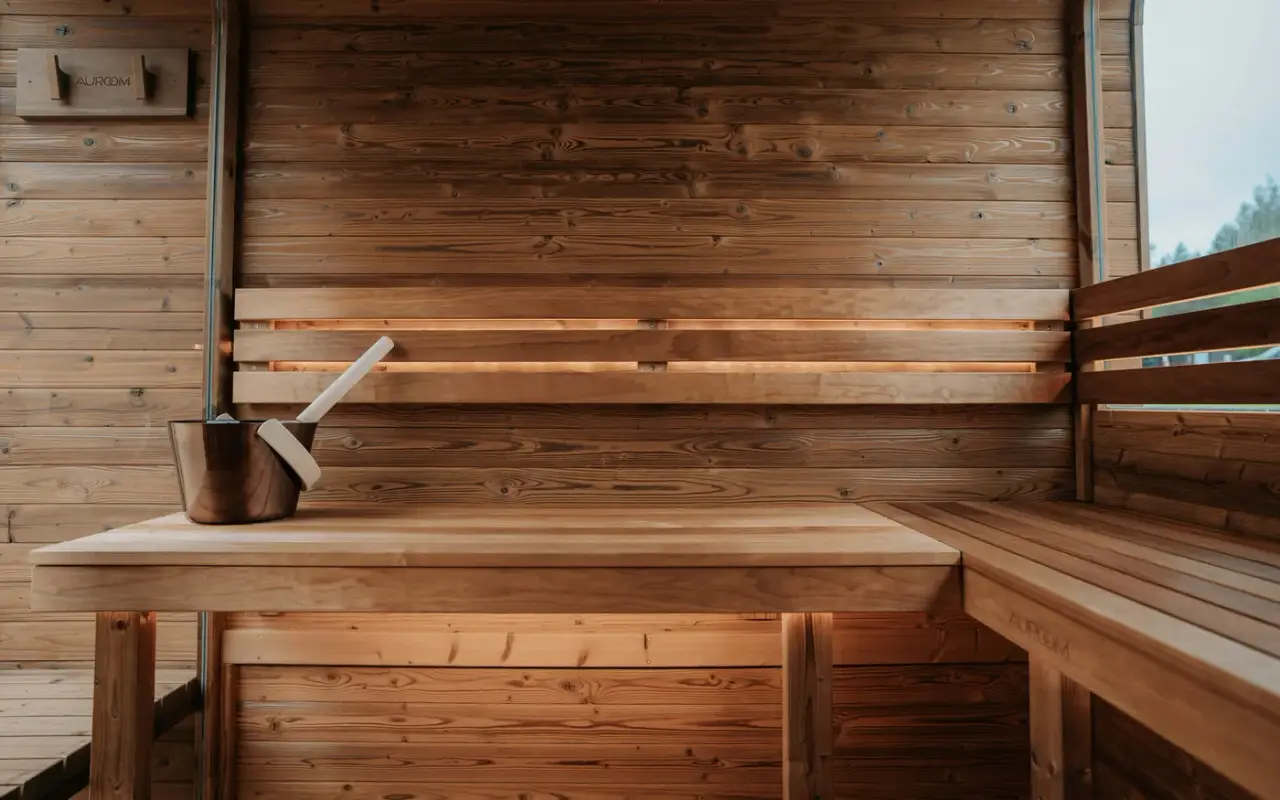
Photo: Unsplash
Sauna and steam room: In the sauna itself, the scent belongs to the infusion, which with its own rituals and aromas is an experience in its own right. A room fragrance has no place here, but it’s a very good fit for the anteroom and the routes in between, where it links the sauna and the relaxation area.
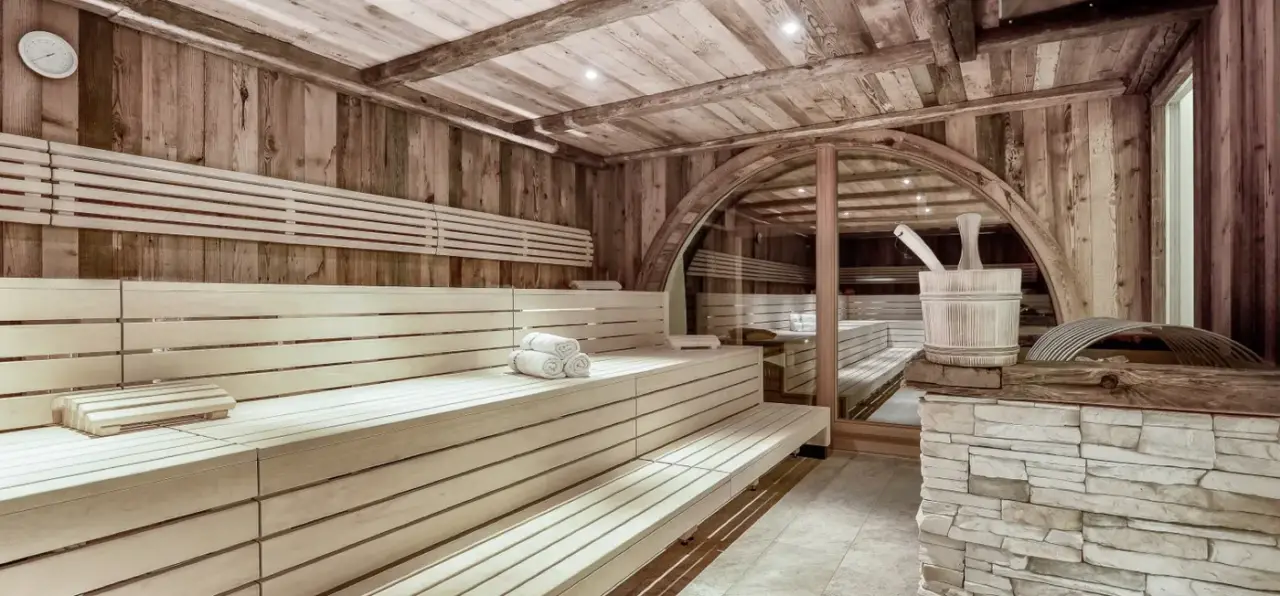
Photo: Hotel Christoph
Pool and bathing area: Around the water, there’s almost always a slight smell of water treatment. Masking it with scent rarely works well, so a room fragrance makes more sense in the adjacent areas, such as the pool access or the lounging area.
Treatment rooms: During massages and beauty treatments, the guest lies close to the products being used. So the room fragrance should either go with these oils and creams or stay very much in the background, so that smells don’t end up layered on top of one another.
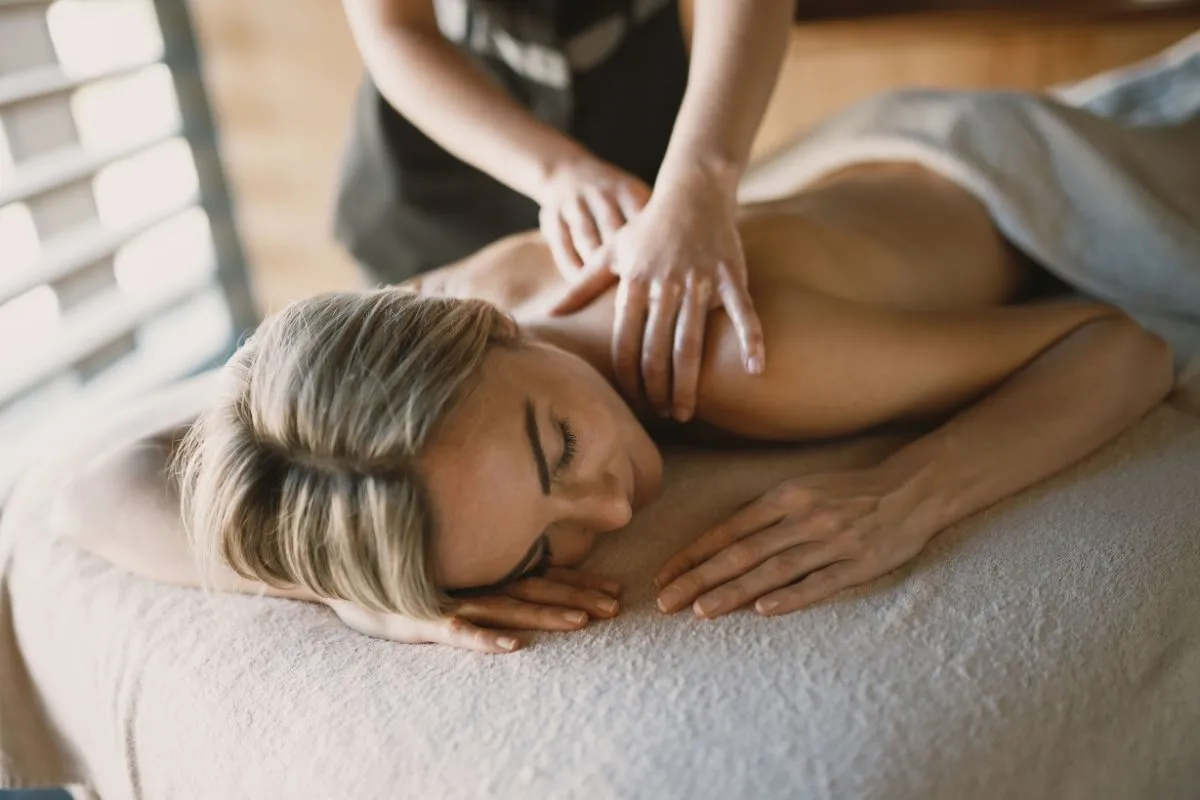
Photo: Hotel Therme Meran
Which scent family suits your spa?
There’s no such thing as the one right spa scent, only the one that suits your property, your interiors and your guests. But a few families have proved themselves in wellness areas:
- Woody and warm: Woody notes go well with sauna areas and alpine properties because they’re reminiscent of Swiss stone pine, larch and open fires.
- Green and herbal: Herbs and green notes bring nature indoors and are especially suited to properties with a garden or a view of greenery.
- Soft and floral: Many people find gentle floral notes calming, and they work well in relaxation rooms.
- Sunny and exotic: Tropical notes such as coconut or mango bring a holiday mood to the wellness area, even when there’s snow outside.
If natural ingredients are a particular priority for you, AROMEA also offers aromatherapy fragrances made from 100% essential and natural oils, which are a good match for properties that also favour natural products for treatments and cosmetics. Whatever the family, what matters is that the scent suits your property, because a tropical spa in a traditional mountain farmhouse quickly feels out of place.
One scent for the whole property, or a separate one for the spa?
Almost every hotel faces this question, and both routes have their advantages. A consistent signature scent means guests recognise your property everywhere, from the lobby to the lounger by the pool, turning the scent into a real hallmark of your hotel. A separate spa scent, on the other hand, lets you set a calmer mood on purpose and mark the wellness area off more clearly from the rest of the hotel.
If you opt for several scents, they should go well together. They meet at the transitions, and two scents that don’t get along will immediately stand out there in an unpleasant way.
From practice: Apartmenthotel LifeSteil in the Ötztal
Apartmenthotel LifeSteil in Umhausen shows what a scent concept across several zones can look like. The property has a generous wellness area with an infinity pool, saunas, a steam room and several relaxation rooms, and each area is scented in the way that suits it.
In the green lobby, an AROMEA Power invisibly spreads tropical fragrances through the ventilation system. In the spa area, an AROMEA Pro Tower with the fragrance “Coconut Paradise” sets a holiday mood, while an AROMEA Flex neutralises unpleasant smells in the washrooms and ski storage.

Photo: Apartmenthotel Lifesteil
The scents stay in the memory not only of the guests but of the team as well. Janine Scheiber of the LifeSteil says: “The staff love the scent and are delighted to get to work in such a great atmosphere.” What’s more, every guest gets a scent to take home at check-out.
Setting intensity and times correctly
In a spa more than anywhere else, the rule is: as much scent as necessary and as little as possible. Modern diffusers can be controlled very precisely for this, with the AROMEA nano diffusers, for example, offering 50 intensity levels and up to 21 start and stop times a day. That way, the scent can start promptly before the spa opens and switch off again in the evening when no one’s left.
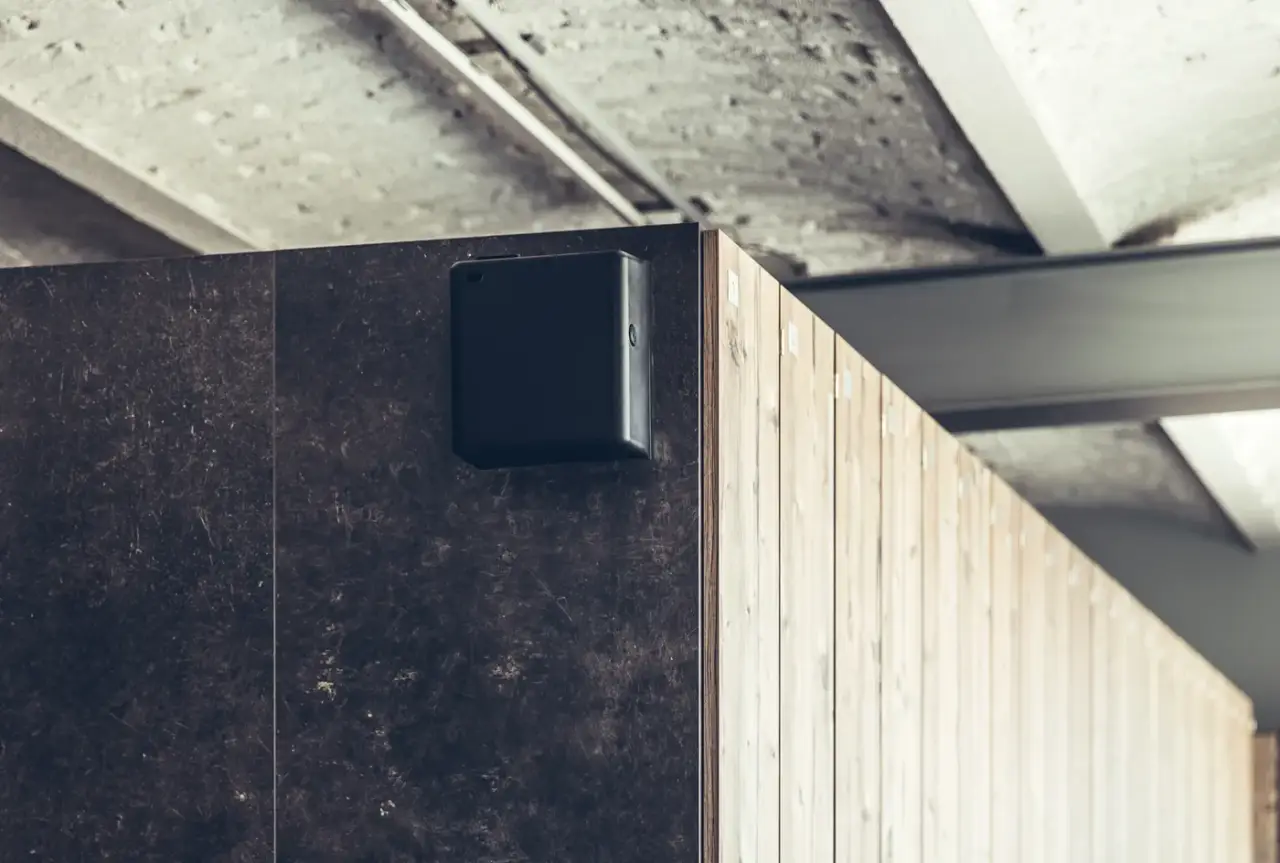
Photo: AROMEA Airdesign
As well as the zones, it’s worth looking at the time of day, because busy afternoons with lots of guests can often take a little more scent than quiet mornings when only a few people are in the spa.
One point is easy to overlook: after a few days, your team will barely smell the scent any more, because the nose gets used to constant smells. Anyone who then turns it up on gut feeling soon ends up with a cloud of scent that bowls guests over rather than welcoming them. Better to ask guests, or colleagues just back from holiday.
If you’d rather not look after the technology yourself, you can also have the diffusers managed remotely. With AROMEA’s 24/7 monitoring, scent times and intensity can be adjusted in real time, and the technicians can see when a scent cartridge needs changing.
Five typical mistakes in spa scenting
Most problems with scent in a wellness area don’t come from the wrong fragrance, but from small planning errors that are easy to avoid with a little attention at the set-up stage:
- Chosen from the bottle alone: Only a test on site shows how a scent behaves in the real room, with its warmth, wood and humidity.
- Diffuser right next to the loungers: A spot where the scent can spread without anyone getting the airflow full in the face is a better choice.
- Constantly changing scents: If you try something different every month, you throw away the chance for guests to recognise your spa by its smell.
- Forgetting the season: A heavy, warm scent suits winter well, but can quickly feel oppressive on hot summer days.
- Never asking: A quick chat with guests at the spa reception often shows faster than any theory whether the scent is going down well.
Your spa, your scent
You can tell a well-scented spa not by a conspicuous cloud of fragrance, but by the fact that everything feels right, from the first step through the door to the last minute in the relaxation room. Which zones, fragrances and diffusers suit your property is best worked out together on site.
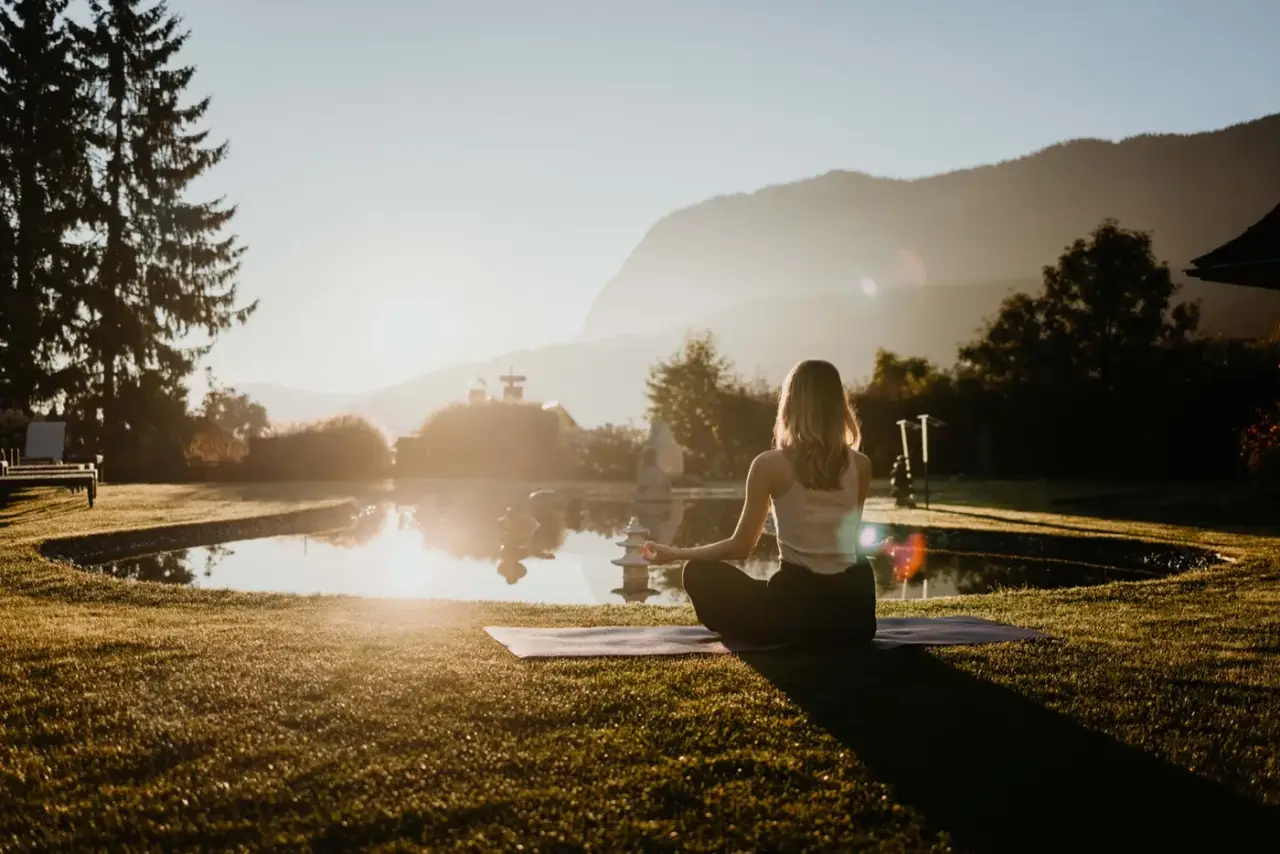
Photo: Charly Schwarz (European Ayurveda Resort Sonnhof)
AROMEA Airdesign helps wellness hotels find the right scent, from a large fragrance collection or as a signature scent all their own, and also takes care of installing and maintaining the diffusers.
Fancy experiencing your spa all over again? Then get in touch for a no-obligation scent consultation. We look forward to hearing from you.
To find out what actually happens in your head when you smell something, read our story “Scent and the Brain: Why We Smell Before We Think”.
Header image: Ifen Hotel Kleinwalsertal
Frequently asked questions about scenting a spa
Can you scent the sauna itself?
In the sauna, the scent belongs to the infusion. A room fragrance is better suited to the anteroom and the routes between sauna and relaxation area, where it links the zones without getting in the way of the infusion.
Which areas of a spa should you scent?
Above all the reception and entrance, changing rooms, relaxation rooms and the routes between areas. In treatment rooms and by the pool, restraint is the order of the day.
How strong should a spa scent be?
On the subtle side, because guests often spend several hours in the same room at a spa, and a scent that’s pleasant when you walk in can already feel too intense after an hour in the relaxation room.
Can a room fragrance mask the smell of chlorine?
Only to a limited extent. Around the pool, good ventilation matters more, and a room fragrance works better in adjacent areas such as the access route and the lounging area.
Can spa diffusers be run on a schedule?
Yes. AROMEA nano diffusers can be programmed with up to 21 start and stop times a day, so the scent only runs while the spa is open.