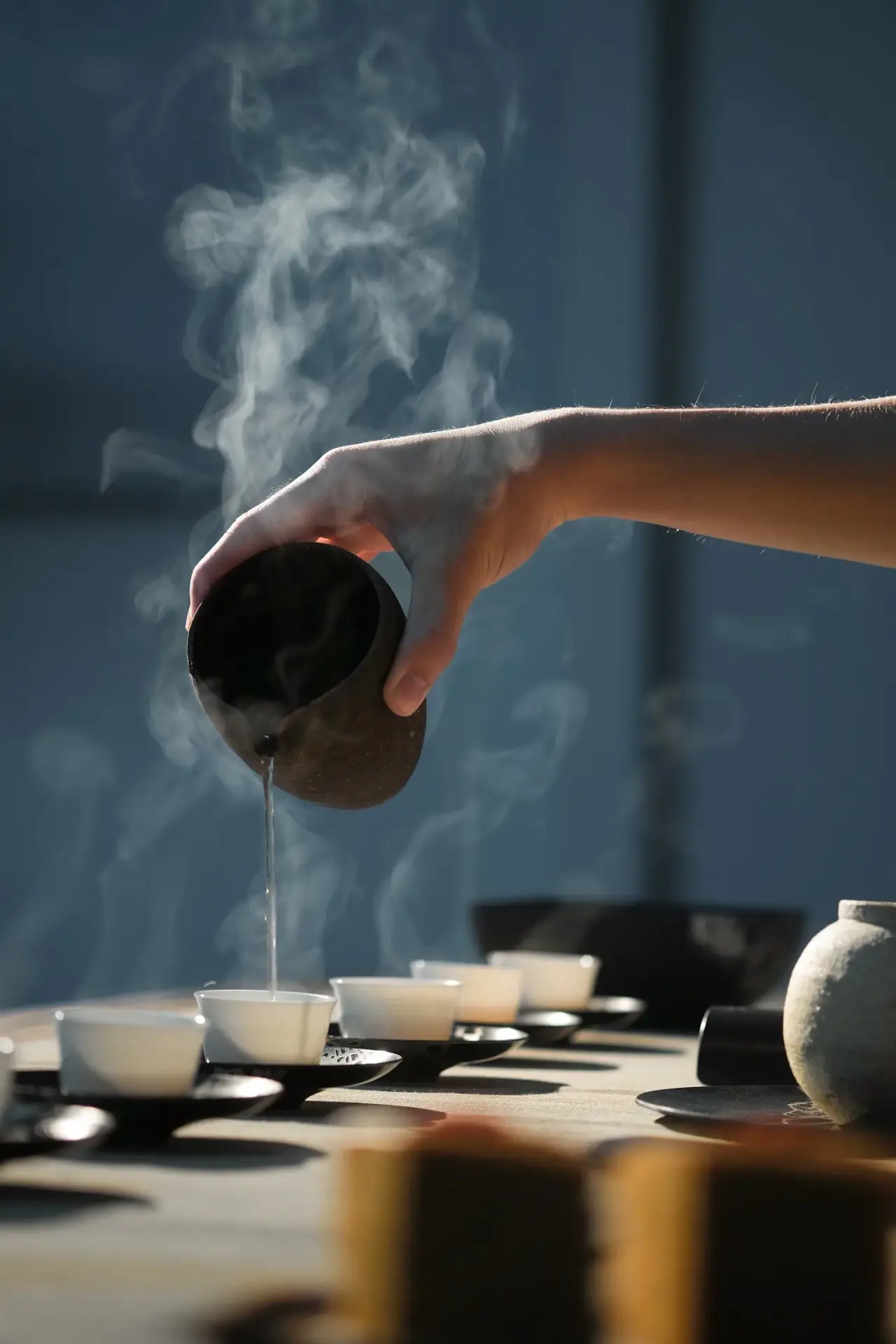
Over and done with. The days are drawing in again, and somehow there’s already a hint of snow in the air. That’s probably it for summer. Red leaves and windswept hair, an open fire and a favourite book. Cup of tea? Always a magical moment when the hot water meets the dry leaves. Autumn colours swirl through the cup and a strong aroma of herbs and fruit fills the whole room. A little Airdesign, home-made and in miniature. Could be from Aromea, couldn’t it? It could. And as you gaze dreamily into your fragrant teacup, you may find yourself wondering: how does that actually work? How do you make a scent, an essence, a perfume?
The answer is as old as the art of making scents itself. Who invented it? The Egyptians, of course. A good 5,000 years ago, they were already adding fine scent essences to their cosmetics. Even the dead were embalmed with perfumed ointment. After a sharp iron hook had been used to pull their brains out through the nose, mind you. The masters of mummification weren’t exactly squeamish.
All French to me.
What we call perfume today is no different from back then: a mixture of water, alcohol and aromatic substances. Like tea with a shot? Almost, because Aromea doesn’t even use alcohol for its scent blends, mixing its 100% natural oils and essences with a little water at most. For an absolutely unadulterated scent experience. But first you have to get at the scent. Depending on the raw material, that can be quite complicated. It was the French, of course, who perfected the high art of perfumery in 14th-century Europe. The basic principle of making scents is always the same: first, aromatic substances have to be obtained from plant raw materials. Actually much like with tea, just nowhere near as simple.
The high art of scent.
Enfleurage literally means something like “flowering” and describes the oldest and most elaborate way of making perfume. It’s time-consuming and correspondingly expensive, but true fans can still watch this complicated process today in Grasse in France. Plant raw materials are mixed with odourless fat as a temporary scent store. After a period of storage, the extracted aromatic substances are then washed out of the carrier fat with ethyl alcohol - et voilà: old-school scent essence.
Distillation extracts aromatic substances using high temperatures. This method is therefore unsuitable for delicate raw materials such as woods and herbs. Water and carrier substances are heated in a kettle, and the essential oils are then released with the resulting steam. When the steam cools, the precious aromatic substances condense and can be collected. A little tea tip on the side: don’t pour water that’s too hot on herbal teas, or the flavour will literally vanish into thin air.
If it’s citrus notes you’re after, the best approach is expression. The peels of oranges, lemons and the like are pierced and pressed. Water-soluble substances and fragrance oils are then separated using damp paper. Olive oil works in much the same way, but doesn’t smell so much of lemon.
The method used most often, however, is extraction. It’s a physical separation process that uses volatile substances (butane, hexane or ether) to draw out the aromatic substances especially gently. The scent carriers are placed for a certain time in a suitable solvent, which is later simply evaporated off, at much lower temperatures than with water. All that remains is pure scent. A waxy substance that French perfumers christened “essence concrète”. The “true nature”, the soul of the plant.
Autumn in the nose.
Pretty complicated, all that. Which is why it’s best to leave the scenting to the specialists at Aromea. With the right nose for good scents, sales success then arrives by air. Because a study says that placing a product in fragrant surroundings significantly increases the price people are willing to pay for it. And eight out of ten guests say that cleanliness is the main factor influencing their perception of a hotel’s values. You can smell cleanliness, after all. And the opposite too, of course.
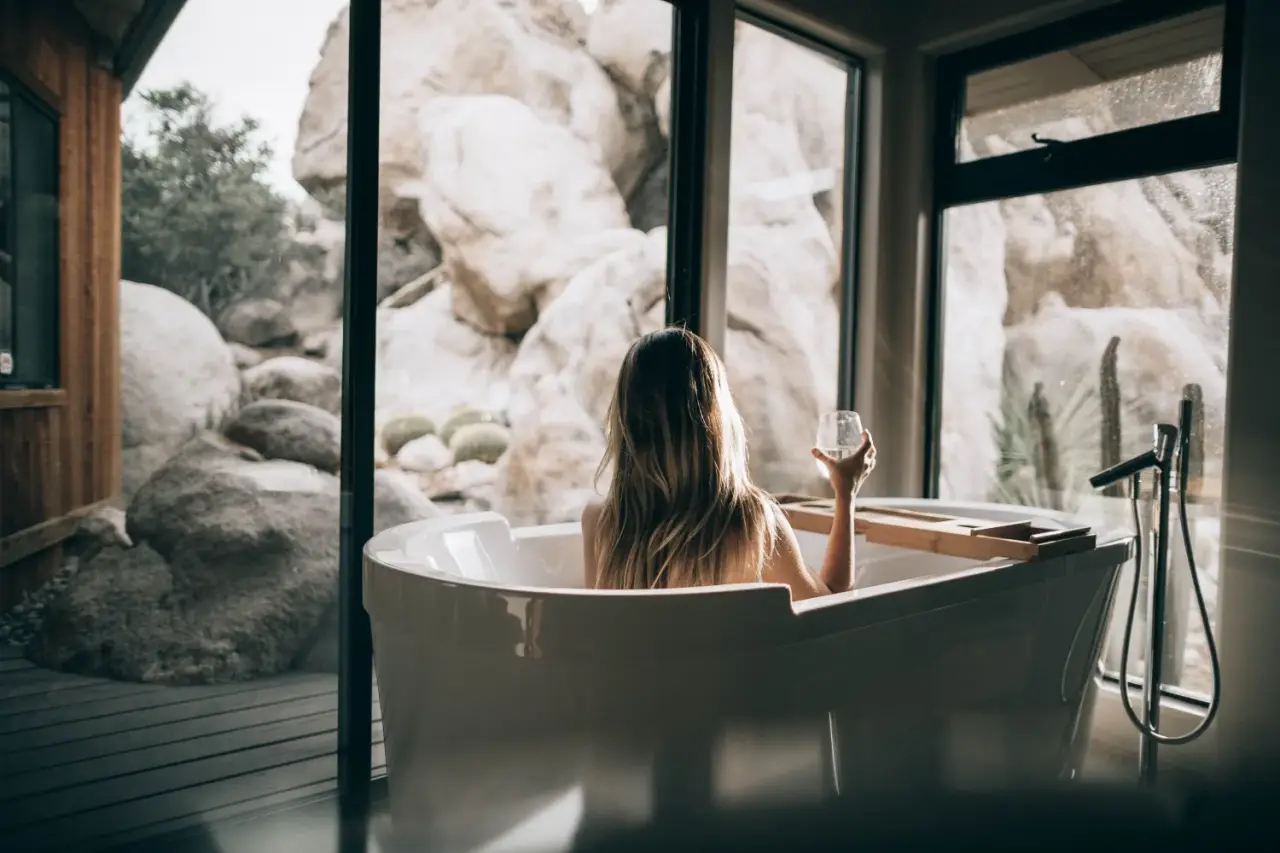
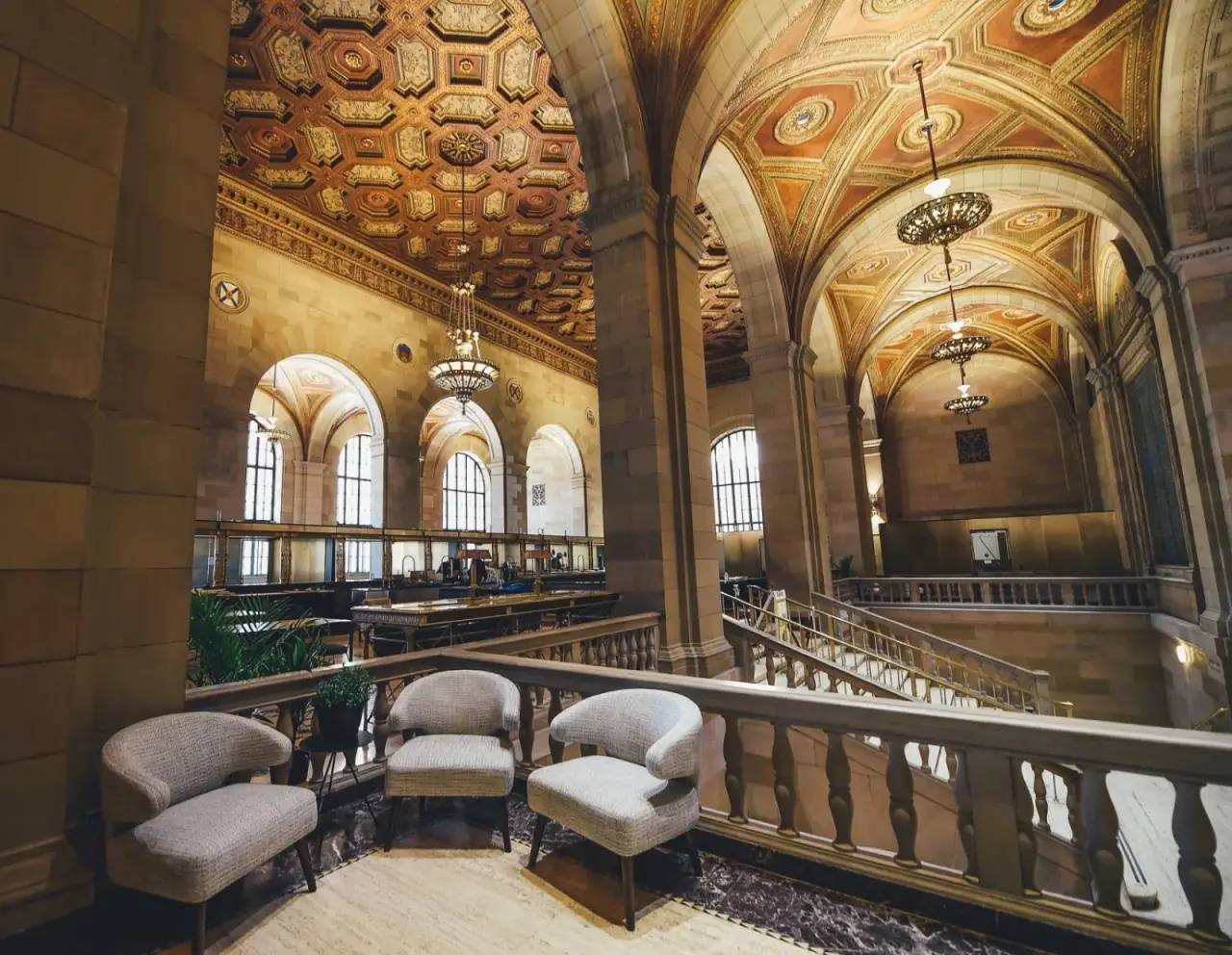
For the individual scenting of hotel lobbies, gyms and wellness retreats, as well as medical practices or law firms, Aromea offers tailor-made solutions. Subtly diffused by the patented high-tech nano diffuser: for example, shapely and stylish as the Aromea Cube. Or very unobtrusively as the wall-mounted Aromea Pro (also in the ventilation system). The powerful aroma towers No.1 & No.2 like nothing better than working on a large scale in public offices, hospitals, care homes and residential complexes. And what does it smell of then? That’s up to you, of course. Of autumn, for example: fine woods and citrus fruits with a pinch of cinnamon. A hint of snow, perhaps. A good book, a crackling fire and a big cup of tea.
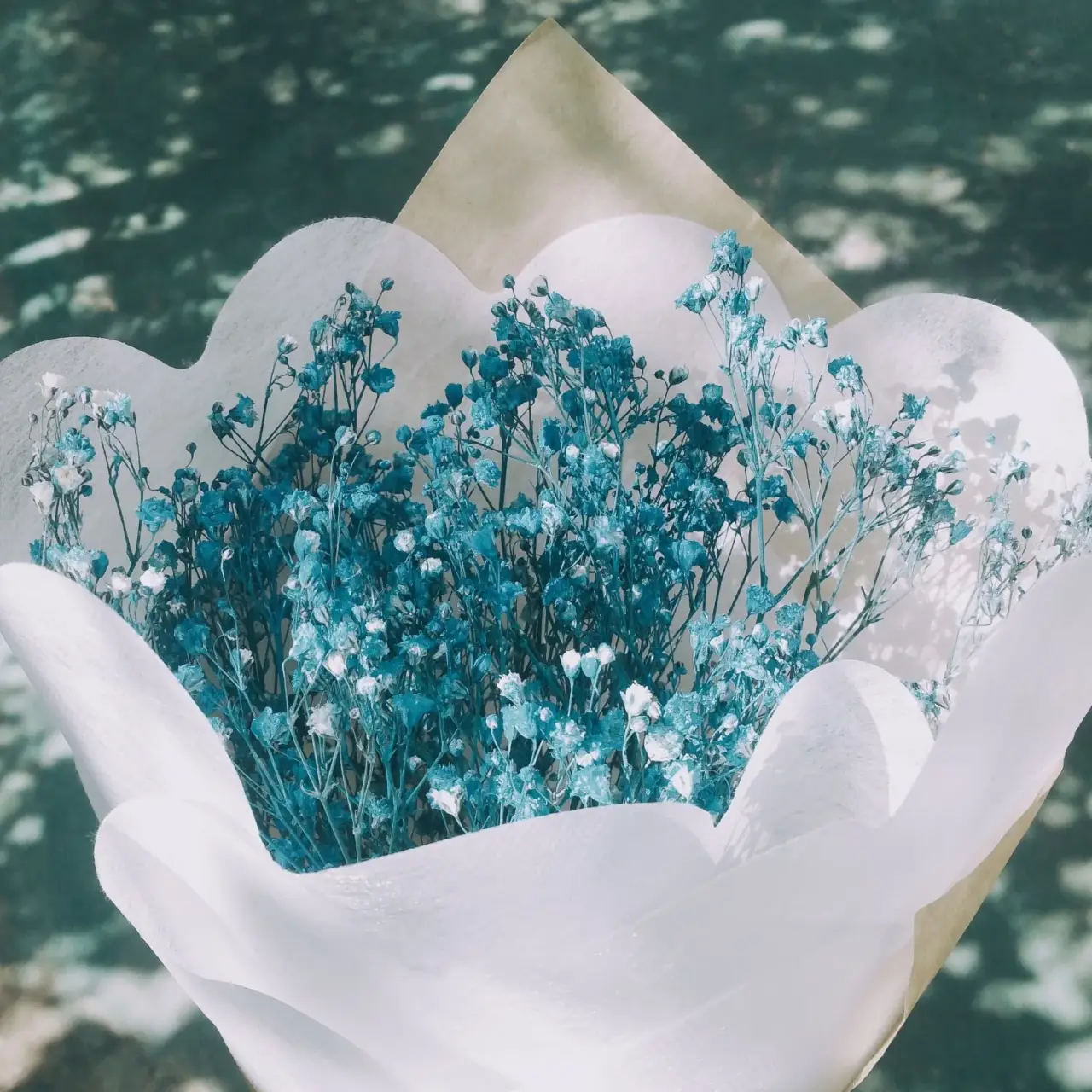
What remains is pure scent