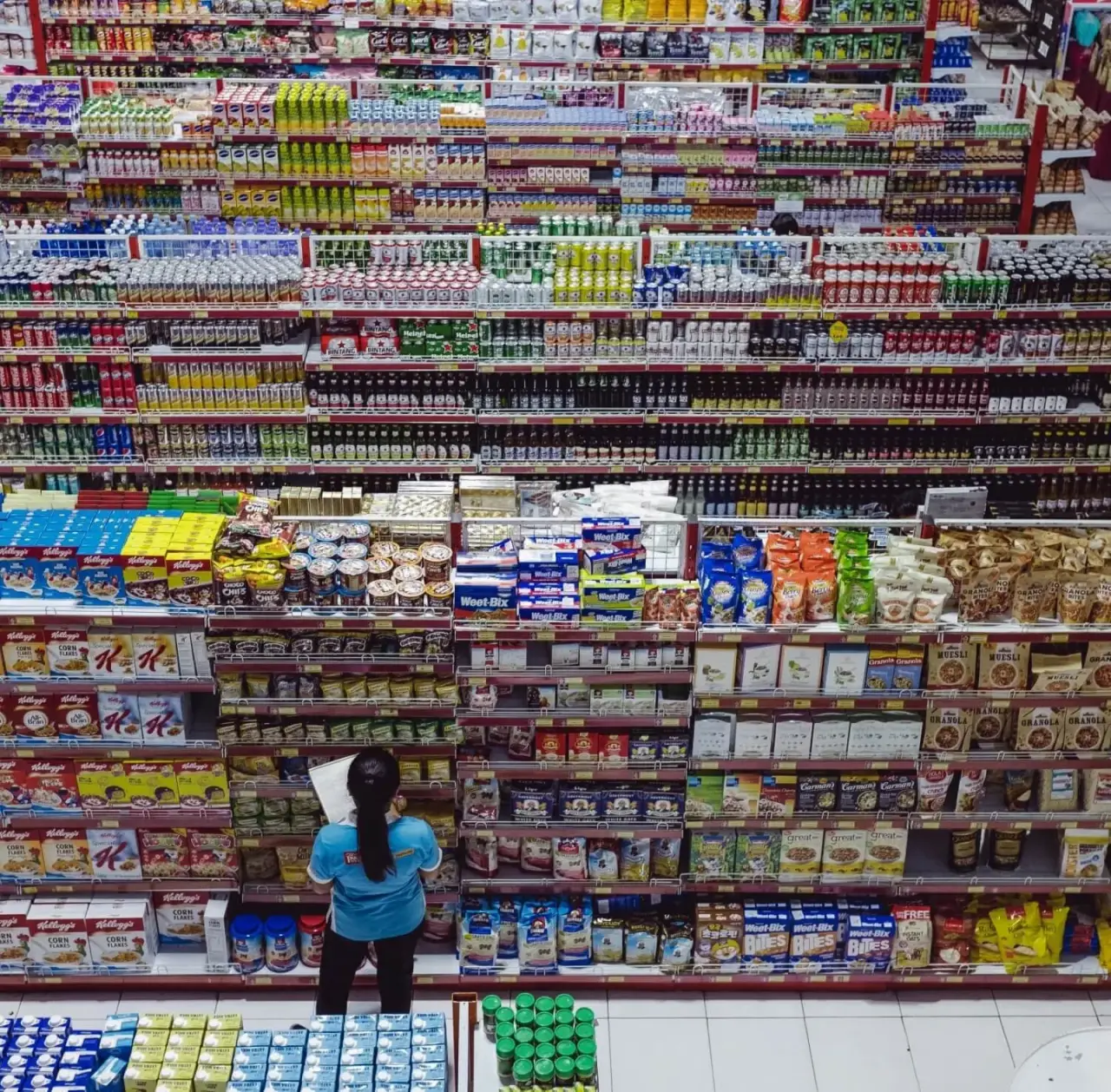
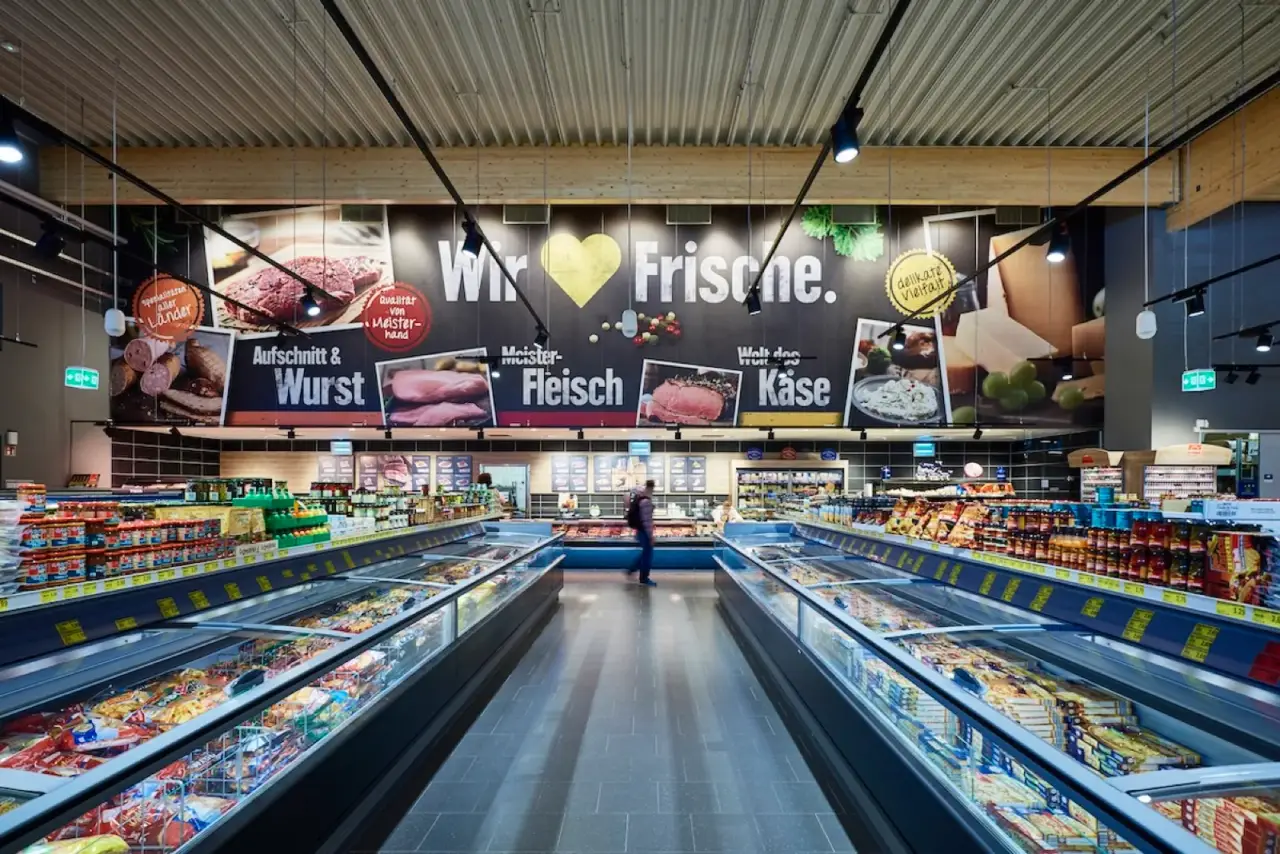
Every few days, when the fridge yawns empty, it’s that time again: bananas, milk, eggs, coffee, cheese, beer and bread. A classic shopping list, really. But also a carefully planned obstacle course through the supermarket, with various milestones along the way. Bottle return, fruit section, meat and fish counter, chilled aisle and baked goods. Every stop of the trolley announces itself to the nose in advance: fresh fruit in the fruit section, then stale beer at the bottle return. Next come the aromas of tempting baked goods, only to mingle with a burst carton of milk at the chiller. Shortly afterwards, you’re greeted by yesterday’s almost-fresh-off-the-boat fish, followed by a few cut flowers on the last metres to the checkout. Finally made it. A sigh of relief. But shopping is actually a lovely thing, even at the supermarket. It just takes the nose to make the experience truly supergeil.
Fragrant delicacies.
Of course the baker simply leaves the bakehouse door open. That way, passers-by know from far off what’s just come fresh out of the oven. And of course the fruit seller holds the fresh oranges right under your nose. As for fish, the less it smells of fish, the fresher the catch. Our nose is a testing lab that warns us early about the inedible or can really work up our appetite. All noses do that, because that’s what evolution developed them for. The smell of decay and fermentation gases triggers an instinctive urge to flee, while the aromas of fresh delicacies automatically get the saliva flowing. A piece of evolutionary conditioning as old as the search for food itself. And here, incidentally, size really does matter: when it comes to smelling, the elephant wins by a trunk, with 2,000 active genes for decoding scents. Humans have a mere 347 scent genes, on account of the smaller trunk.
Putting products in the spotlight.
But what makes scent truly effective isn’t the dose, it’s the setting. Odour neutralisation at the deposit bottles often works real wonders. Citrus notes in the fruit and veg section are associated with cleanliness and freshness. Coffee and baked goods in the café, fresh laundry by the detergents. Scent marketing puts products in the spotlight and creates pictures in customers’ heads. Our scent receptors link scents directly to emotions and feelings, which means we prefer to remember positive impressions, and remember them better. That’s why IKEA, for example, scents selected restaurants in its furniture stores, some Spar and Interspar supermarkets neutralise unwanted odours, at Starbucks you naturally catch the aroma of coffee, and the German grocery chain Edeka delights customers in some branches with discreet scent marketing. Being tempted anew every day: the grocery trade could sing you a song about that. Friedrich Liechtenstein does exactly that in the Edeka ad in a velvety whisper, and even finds grocery shopping downright “supergeil” (German slang for “super awesome”).
A scent signature with impact.
Where the Edeka earworm sparks curiosity, Airdesign does the rest: product staging, sales promotion, brand recognition, a sense of cleanliness and customer loyalty. Because where it smells inviting, people like to stay longer, happily pay a little more and then tell everybody else about it too. And Aromea makes this little scent trick with the big effect as easy as can be: with tailor-made scent solutions and scent service packages for every shopping experience. Applied with pinpoint precision using local floor-standing and wall-mounted diffusers (entrance, fruit section, bottle return), or invisibly and effectively via the building’s own ventilation system. Then all that’s missing is the right fragrance, which at Aromea is a delicious dilemma. But the finest earworm for the nose comes from a tailor-made Corporate Scent: unique, unforgettable, supergeil.

Friedrich Liechtenstein on Aromea Airdesign at Edeka